

Ten years of photographing dogs in Phoenix has given us something we didn't expect: an incredible network of the best dog trainers Phoenix has to offer. Trainers, vets, behaviorists who have taught us so much about how dogs think, what they need, and how to meet them where they are.
This list is our way of sharing that network with you. Every trainer here uses positive reinforcement, fear-free, and force-free methods. They are highly regarded in the Phoenix dog community, and the ones we have had the pleasure of meeting have been just as good in person as their reputations suggest. Whether you're starting from scratch or working through something specific, you're in good hands with any of them.
What is Force Free Dog Training?
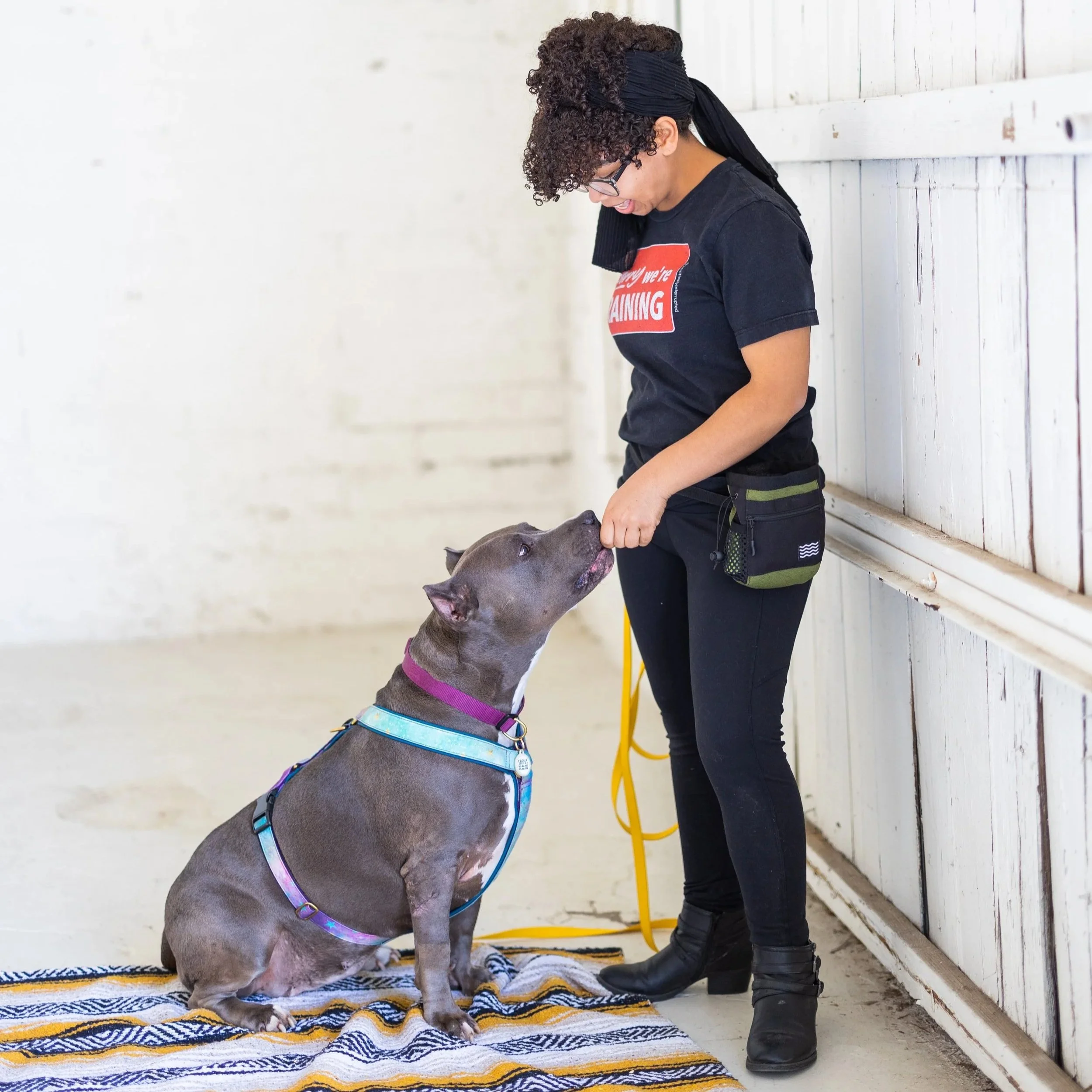
Force free training is exactly what it sounds like. It means training a dog without the use of force, fear, pain, or intimidation. Instead of correcting unwanted behavior and leaving a dog frustrated and confused, force free trainers focus on reinforcing the behaviors they want to see more of, usually with treats, praise, or play.
The "R+" in R+ training stands for positive reinforcement. When a dog does something you like, you reward it. That reward makes the behavior more likely to happen again. As the rewarded behaviors become habit and meet the needs of the dog, the unwanted behaviors fall away and disappear because they aren't needed anymore. It sounds simple because it is, and decades of animal behavior science back it up.
The trainers on this list work with some of the most complex cases in the Phoenix area, and they do it without ever putting a dog in a situation where fear or pain is part of the equation.

How to Know if a Dog Trainer is Force Free
Here are a few things to look for when vetting a dog trainer in Phoenix:
Certifications matter. Look for credentials like KPA-CTP (Karen Pryor Academy), FFCP (Fear Free Certified Professional), or CSAT (Certified Separation Anxiety Specialist). These require real education and ongoing continuing education. You'll see several of these represented in the trainers below.
Ask about tools. A force free trainer will never recommend prong collars, choke chains, shock collars, or any tool that causes pain or fear and will clearly state their ethics around tools and methodology.
Ask what happens when the dog gets it wrong. In R+ training, the answer is: nothing. Force free trainers understand that these situations require better teaching skills as they move forward, not punishment for mistakes. There should be no corrections, leash pops, yelling, or physical intimidation involved.
They should talk about the dog's emotional state. Force free trainers pay attention to stress signals, body language, and whether the dog is feeling safe and comfortable. If a trainer talks only about compliance and obedience, that's worth noting. Also, a trainer who prioritizes a "calm" dog may be focused on suppressing behavior instead of teaching new skills.

If you want to dig deeper into how we use these methods as dog photographers, we wrote about the benefits of force free and fear free methods in dog photography and how they shape the way we work with every dog in our sessions. And if you have a dog who needs mental enrichment while staying cool this summer, our Phoenix dog enrichment guide has you covered.
You can also search for certified trainers through the Pet Professional Guild, a force free training organization with a searchable member directory.
The Best Force Free Dog Trainers in Phoenix, AZ
Smiles Dog Training
Sara Miles, ABCDT, FFCT, FPPE

Areas served: Central and North Phoenix, Scottsdale, Glendale, and Peoria for in-person coaching. Virtual sessions available for families anywhere.
Specialties: Complex behavior cases including fear, reactivity, and aggression. Multi-pet household conflict, dogs with bite histories, and cases where an undiagnosed health issue may be playing a role. Also works with newly adopted dogs who are still finding their footing.
Their training philosophy: "Behavior is communication. When a dog is struggling, my first question is always, 'What is this dog trying to tell us?' rather than 'How do we stop this?' I use evidence-based, positive reinforcement methods that focus on how a dog feels in their body and environment, not just how they behave. Helping dogs get their needs met in ways that help their humans understand them better is my ultimate goal."
What made them want to become a trainer: "I've known I wanted to be a dog trainer since I was in the 6th grade. But it took a long, winding road for me to get access to it as a career. My heart dog, Finnick, is the reason Smiles Dog Training exists. He shaped how I approach this work and exemplified how amazing shelter dogs can be when given the right support. I had found my way into animal welfare through shelter work at the San Diego Humane Society, where I adopted Finn, and I saw firsthand how many dogs were losing their homes because of behavior challenges that could have been helped with the right support. When I moved to Phoenix, I wasn't sure about returning to sheltering, but I knew I wanted to be part of the solution, so I transitioned to private training to help pups stay out of the shelter altogether."
What their clients say: "People often tell me that I helped them finally understand their dog in a way no one else had been able to explain. They come in feeling overwhelmed, sometimes even scared of their own dog, and leave with a clear plan and a lot more hope. I think what I do well is hold space for the human side of things. The guilt, the frustration, the grief over the dog they thought they were getting. When people feel heard, they can actually learn, and so can their dogs."
One thing they wish every dog guardian knew: "Behavior is often the first sign that something is physically wrong. Before we ever talk about training plans, I work with pet parents to bring their vet into the conversation. Dogs can only tell us they're hurting through their behavior, so sometimes a behavior challenge that just won't budge, no matter what you try, is their way of letting us know something is off. Part of my work is helping pet parents gather more data to have focused, productive conversations with their vet so that the physical and behavioral pieces can be looked at together. I've seen so many families work incredibly hard on training solutions, only to discover that their dog was in pain the whole time."
Learn more: smilesdogtraining.net Instagram, Facebook, and Threads: @smilesdogtraining
Arizona Veterinary Behavior
Dr. Heather S. Gerrish, DVM, Elite FFCP

Areas served: Phoenix metropolitan area and Tucson by appointment.
Specialties: Severe behavioral disorders, medical comorbidities, and any species.
Their training philosophy: "It has evolved over time and I hope it continues to do so as I learn and grow. The foundation for all of my work with animals is a deeply held belief that they are individual, sentient beings worthy of dignity and respect. Often, behavior is simply the language animals use to convey their needs and desires to us. This may mean that working to better understand our companion's needs is actually more important than 'modifying' their behavior or 'training' at all. But force-free, patient-centered behavior modification can also be a critical tool for teaching coping skills and changing unhelpful emotional responses to triggers, allowing patients and their people to enjoy an improved quality of life."
What made them want to become a trainer: "I have always been fascinated with animal learning and started training at a young age. My now senior doxie helped me understand the interplay between genetics and the environment through experience, teaching me that even with appropriate socialization and care, some dogs are predisposed to anxiety and may require additional help to thrive. I considered human psychiatry as a career, and when I learned about veterinary behavior, it immediately struck me as the perfect fit."
What their clients say: "Helping clients and their animal companions meet in the middle and understand each other a little better."
One thing they wish every dog guardian knew: "Your dog is always learning, not only during 'training' sessions."
Learn more: azvetbehavior.com
Blue Dog Ranch
Lisa Blue, KPA-CTP
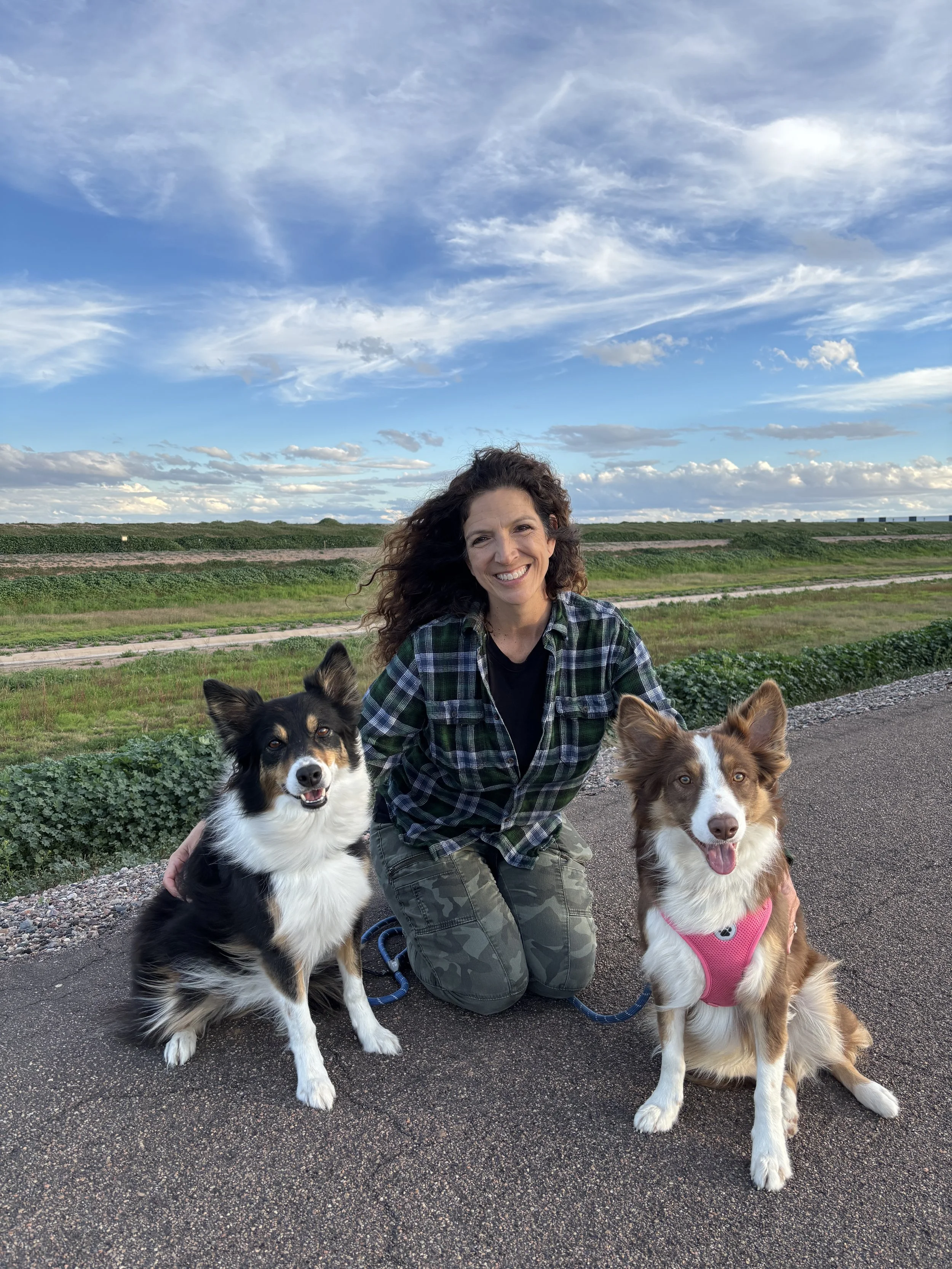
Areas served: East Valley, Gilbert, Mesa, Chandler, and parts of Queen Creek. In-home training within 15 miles of Blue Dog Ranch.
Specialties: Puppy foundation training, separation anxiety, general house manners, leash walking, and reactivity modification. Does not work aggression or bite cases.
Their training philosophy: "Behavior is communication. Behavior is never the dog's fault; they are simply communicating. It's our responsibility as dog guardians to listen. I believe that positive reinforcement training methods strengthen behavior and build trusting relationships between pet parents and their animal companions."
What made them want to become a trainer: "I can't recall a time in my life when I wasn't training dogs. As a little girl, I trained our family dogs to do all sorts of fun behaviors. I even hosted shows for the neighborhood. I remember setting up lawn chairs in the back yard and hanging paint covered drop cloths over a clothesline to create a stage for my 'dog show'. That was a long, long time ago, but as far back as I can remember, I've always loved training animals. I've worked with animals my entire adult life as well — in zoos, wildlife rehabilitation hospitals and nature centers. I've trained animals for commercials, advertising, and educational programs. I've trained dogs, cats, horses, donkeys, chickens, owls, ducks, hawks and even a crow. I've competed in various dog sports and led 4H groups to teach kids how to train dogs."
What their clients say: "I think the feedback I receive the most from them is that I take the time to listen to their situations, that my training plans are curated specifically for them. And that I am compassionate and kind, I couldn't imagine being any other way."
One thing they wish every dog guardian knew: "Seeking help from a professional dog trainer means that you deeply care about your dog."
Learn more: bluedogranch.org | Call or text: 602-860-2503 Facebook | Instagram @bluedogranch
Cheeky Dog Obedience
Marilee Cole

Areas served: North Scottsdale, North Phoenix, Cave Creek, and Carefree.
Specialties: Nose Work (fun and competition). In-home training for basic manners and helping people understand what dogs need. Does not do reactive dog training.
Their training philosophy: "My training is positive, motivational and fun for both handler and their dog. I am not an advocate of aversive training or tools. Training with fear, pain and intimidation doesn't build a bond and actually has the opposite effect. Cognitive learning is a process of discovering and understanding relationships of organizing and reorganizing information into meaningful patterns."
What made them want to become a trainer: "I have always been a dog lover but over the course of time have learned there is a difference between a dog lover and one who is in a relationship with their dog. I am happy to say, I am in a relationship with all my dogs that is continually evolving. While I enjoyed a long career in Medical Management (and that paid the bills), my leisure and passion is and always has been the time spent working with my dogs. I was fortunate to work with and learn from a couple of tremendous trainers about training with fun and seeing the world from the dog's perspective and that really opened up my eyes. My best teachers have always been my dogs."
What their clients say: "Being the dog's advocate and teaching so it's fun for all"
One thing they wish every dog guardian knew: "Your dog's world is only as big as the world you show them. They are completely dependent on us, so make their world enjoyable, fun with lots of choices and variety."
Learn more: cheekydogobedience.com
Element Dog Training
Dan Skultety, CTA, FFCP
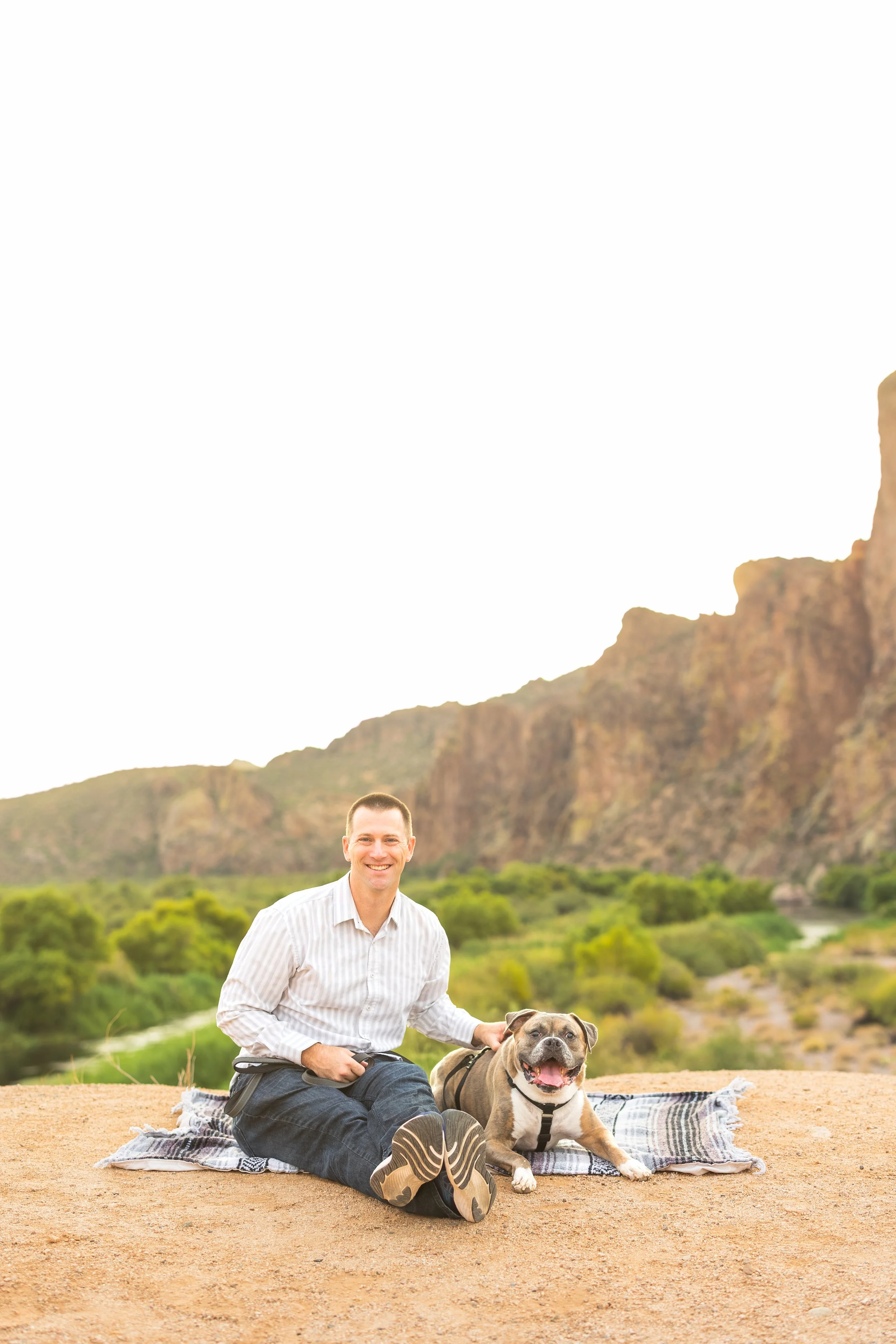
Areas served: Central, north, and east Phoenix, Scottsdale, and portions of Tempe, Mesa, and Chandler. They check radius during a complimentary initial video call.
Specialties: Fearful and reactive dogs, including dogs with bite histories. Newly adopted and foster dogs, transition support, basic obedience, and behavioral support. Refers out puppies under 9 months and separation anxiety cases to other specialists.
Their training philosophy: "Principles that Guide My Training:
Safety will ALWAYS be a Priority
Training should be FUN for the dog and handler
RESPECT the emotions of both you and your dog
Behaviors that get REWARDED get REPEATED
From an industry perspective I fall under the R+, Positive Reinforcement, Fear Free umbrella. In the end I'm looking to create a situation where the welfare of the people and dog(s) are the first priority, that the needs of the dog(s) get met and that the people have the tools to work with their animal in a way that builds trust."What their clients say: "Most clients would probably first tell you how good I am at working with their dog. Though, that's not the feedback that I'm most proud of – it's kind of my job to be good with dogs. I'm most proud of the fact that I get feedback from clients about how I'm there to support them. I'm not there to judge, dictate, or demand. I'm there to be part of the team that is going to help establish and reach their goals."
What made them want to become a dog trainer: "It's a little funny to say out loud but in the end, it was a combination of my personality type and volunteering. I grew up with dogs and I'm married to a veterinarian so dogs have always been a part of my life but my volunteer work exposed me to a dog world I had never really experienced. This is where the personality type kicked in – I'm not so good about having casual hobbies. I enjoy the process of improving and to improve myself as a volunteer I not only spent more time volunteering but I started getting educated on dogs, dog welfare, and eventually behavior modification. I swore I'd never go back to school after I graduated but I was really having fun learning about all things dog – I enjoyed studying, maybe for the first time in my life. After a while I realized I had finally found something I was truly passionate about so I jumped in 100%."
One thing they wish every dog guardian knew: "Dogs are work because it's not their responsibility to figure out how to live in our lives. I see it more often in my support of newly adopted and foster dogs but it's very common for people to have a history with dogs where life just worked. They grew up or knew dogs with good genetics, in well matched homes, who just fit. When they first encounter a dog who doesn't just fit, it can be a real shell shock moment when they realize how much work it might be to learn new skills and to provide the activities needed to support their dog. Being able to be there to watch people step up and embrace that work is also the most rewarding part of my job."
Learn more: elementdogtraining.wixsite.com/dogs Instagram: @elementdogtraining
Neuro Dog Training
Dianne Keck, KPA-CTP, Certified Service Dog Coach
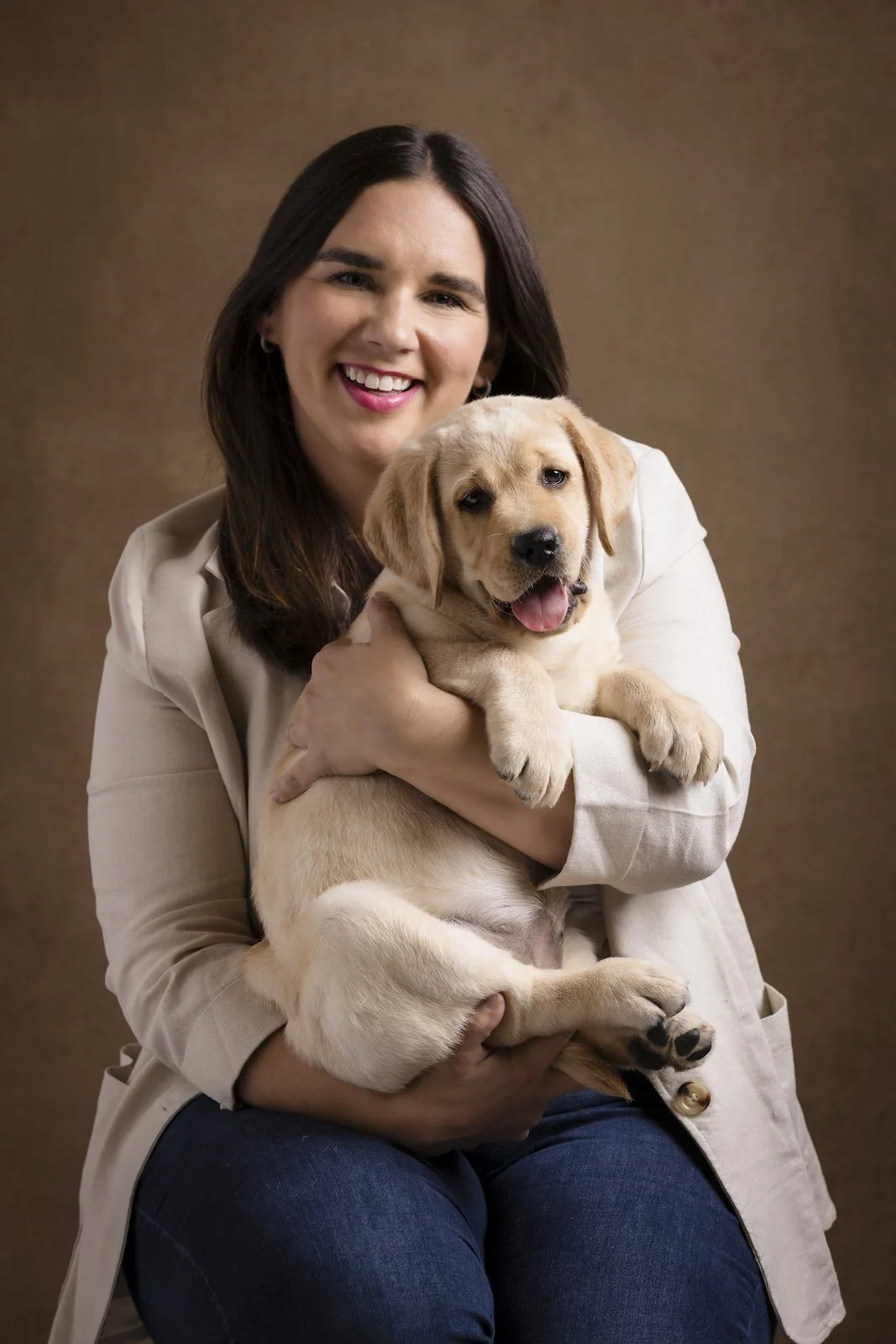
Areas served: All of Phoenix Metro, rotating by day of week. Virtual sessions via Zoom. Collaborates with clients nationwide.
Specialties: Service dog training, puppy training, newly adopted dogs, cooperative care, and fear of novel people ("stranger danger" cases).
Their training philosophy: "I am a certified KPA-CTP through Karen Pryor Academy and a certified Service Dog Coach, which means that I am a positive reinforcement based trainer who prioritizes training methods that build skills to solve problems. I am a graduate student in behavior analysis, so I analyze the function of behavior, or what some people might call 'the root cause,' so that we achieve lasting solutions."
What made them want to become a trainer: "I saw that there was a need in the service dog world for someone who is competent at dog training but is also good at working with Autism families and individuals who are neurodivergent. There are two ends of the leash, a dog side and a human side, and we have to be able to work effectively and compassionately with both."
What their clients say: "Clients often report that I am good at explaining things in a way that makes sense and provide instructions that they can implement in their daily life. Clients will be able to use the skills that they learn working with me for life."
One thing they wish every dog guardian knew: "Learning is always happening, for dogs and humans, so we can achieve our behavior goals in the course of living our normal life with our dogs. You do not have to spend long periods of time training everyday or send your dog away for weeks of board and train to achieve your behavior goals or solve complex behavior problems."
Learn more: TheNeuroDog.com Instagram & YouTube: @NeuroDogTraining
Training with Ally
Ally Verba, CDBC KPA-CTP CSAT FFCT

Areas served: Phoenix metropolitan area and part-time Tucson.
Specialties: Separation-related behaviors, Dynamic Dog assessments for puppies and young dogs, anxiety, confidence building, and agility.
Their training philosophy: "I approach training with a whole-dog perspective: understanding not just the behavior in front of me, but the underlying physical, emotional, and environmental factors that influence it. My philosophy centers on positive, science-based methods that prioritize the dog's well-being while empowering guardians with practical tools to create lasting, meaningful change."
What made them want to become a trainer: "About sixteen years ago, I found my heart dog, and he inspired me to dive deeply into canine behavior, welfare, and training. Since then, I've had the privilege of helping families around the world achieve their goals, whether it's cultivating comfortable alone time, raising happy and confident puppies, supporting adult dogs through anxiety, or teaching agility. The journey has been profoundly rewarding, and every dog I work with continues to teach me something new."
What their clients say: "Clients often tell me that I'm exceptional at helping them truly understand their dog and see behaviors in a new light. They appreciate my ability to translate complex behavior patterns into actionable steps, and many have shared that my guidance transformed their dog's anxiety, independence, or overall confidence. One of the most rewarding compliments I receive is when families feel fully equipped to manage challenges on their own, creating happier, more harmonious homes."
One thing they wish every dog guardian knew: "Behavior is communication. Dogs aren't 'naughty' or 'stubborn' — they're signaling unmet needs, discomfort, or uncertainty."
Learn more: trainingwithally.com Instagram: @homealoneacademy | @trainingwithally
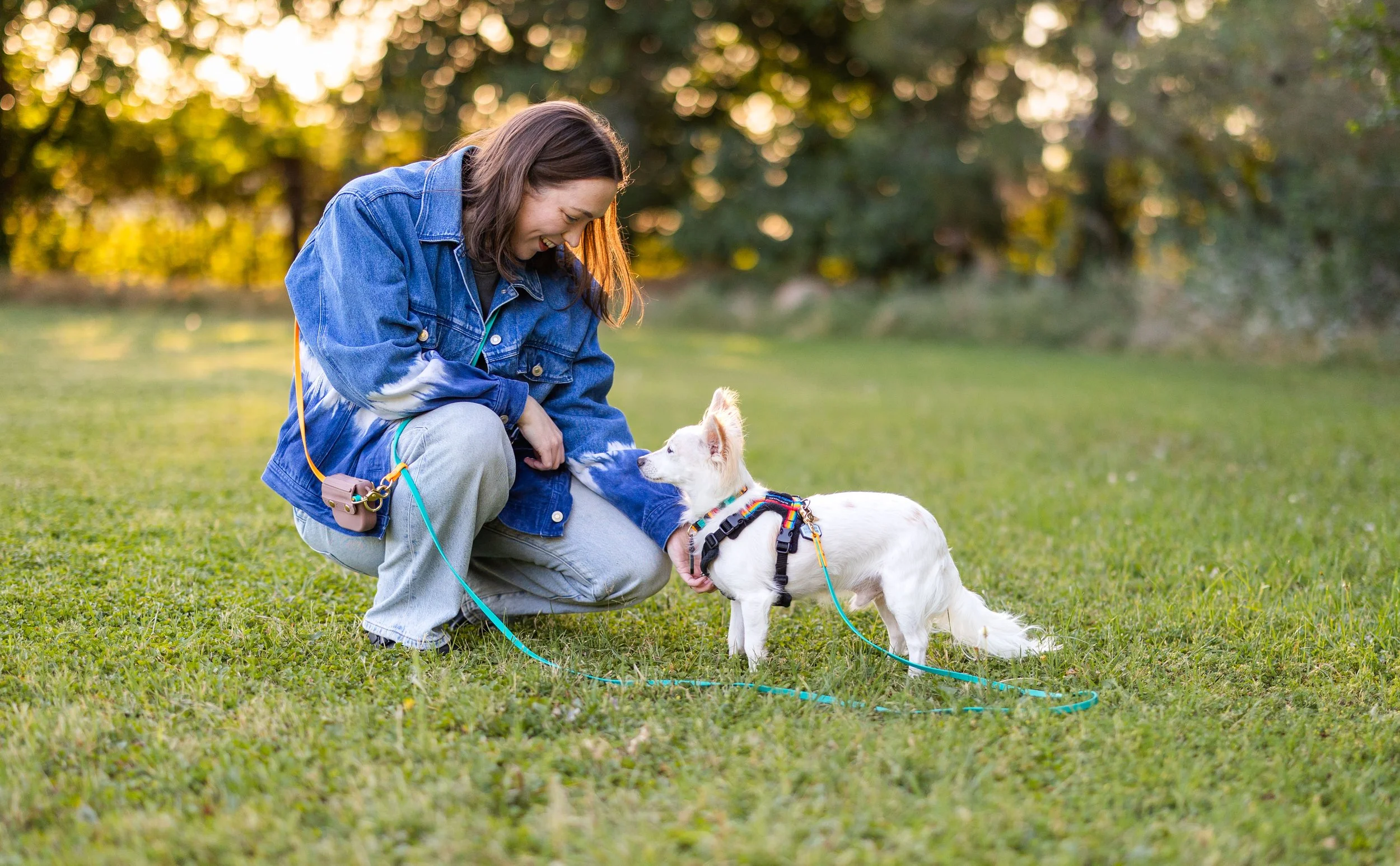
Why We Made This List
Ten years of photographing dogs in Phoenix means ten years of crossing paths with some really wonderful people. The trainers on this list are highly regarded in the Phoenix dog community, and the ones we have had the pleasure of meeting have been just as good in person as their reputations suggest.
We share their philosophy. When a dog feels safe, when they're never rushed or overwhelmed, something opens up in them. That's true in a training session and it's true in front of a camera.